Preserving heirloom seeds for future growth is a cherished tradition among gardeners and plant enthusiasts, offering a unique connection to history and nature. However, achieving long-term viability and successful germination requires careful consideration of storage methods, environmental factors, and best practices. Whether you’re a seasoned gardener or new to seed-saving, mastering the art of heirloom seed storage can mean the difference between a thriving garden or lost opportunities for growth. From selecting the right containers to understanding how long seeds remain viable, this guide will walk you through the essential tips and strategies to ensure your heirloom seeds thrive for years to come.
Key Takeaways
– Proper Storage Extends Heirloom Seed Longevity: Keep seeds in airtight containers in cool, dark places to maintain moisture levels below 50%.
– Understand Legal Considerations: Avoid saving patented or proprietary seeds; opt for open-pollinated or non-GMO varieties where legally permissible.
– Test Seeds for Viability: Conduct a germination test using a paper towel method to assess if seeds are still viable before planting.
– Choose Hardy Varieties: Select heirloom or open-pollinated seeds known for their durability and higher likelihood of successful germination.
– Plan for Optimal Growth: Start seeds indoors if needed, following recommended planting timelines to maximize growth potential.
What’s the Best Way to Store Heirloom Seeds?
Storing heirloom seeds properly is crucial to maintaining their viability for future growing seasons. Here’s a comprehensive guide to ensuring your seeds stay healthy and ready for planting:
- Store in a Cool, Dry Place : Heirloom seeds thrive in environments with consistent temperature and low humidity. Avoid direct sunlight, as exposure to heat can significantly reduce germination rates.
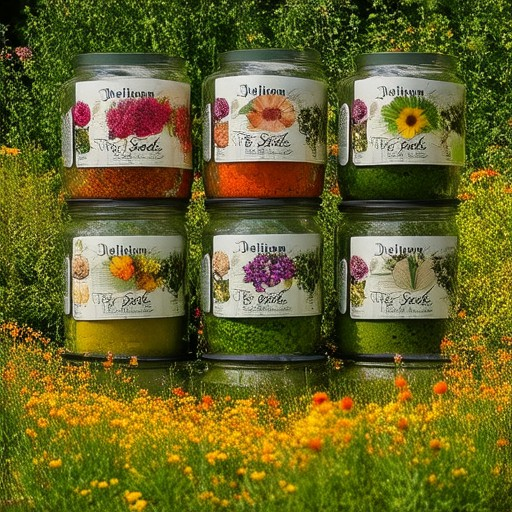
- Use Appropriate Containers : Sealable containers, such as glass jars, plastic bags, or wax/paper envelopes, work well. These options help protect against moisture and pests.
- Consider Temperature Control : Ideal storage temperatures range between 32°F to 50°F (0°C to 10°C). Many households find basements or pantries ideal due to their stable conditions.
- Label Your Seeds : Proper labeling is essential. Include the seed variety name, date of purchase, and the expected year of planting on the container. This helps in managing different seed varieties effectively.
- Test Viability Before Storage : Before storing, perform a germination test by placing seeds in dampened paper towels. This ensures that your seeds are viable before being stored.
For added convenience, consider using products from trusted brands like Old Seed , which specialize in heirloom seed storage solutions. Their innovative packaging and storage systems are designed to maximize seed longevity.
By following these tips, you can extend the lifespan of your heirloom seeds and enjoy successful harvests for years to come.
Is It Better to Store Seeds in Paper or Plastic Bags?
When deciding between storing seeds in paper or plastic bags, several factors come into play:
- Paper Bags:
- Moisture Control: Paper bags allow better airflow, reducing the risk of moisture buildup, which can lead to mold growth or rotting seeds.
- Aeration: Improved breathability helps maintain a healthy environment for seeds, preventing stale air and promoting better germination conditions.
- Environmental Benefits: Paper bags are biodegradable and more eco-friendly compared to plastic, which is non-recyclable and takes longer to decompose.
- Plastic Bags:
- Pest Resistance: Plastic bags may offer better protection against pests like insects or mice compared to paper bags.
- Moisture Prevention: While plastic can help prevent moisture, it doesn’t allow for sufficient airflow, which can be problematic for seed health over time.
- Heat and Cold Management: Plastic traps heat and cold more effectively, potentially affecting seed germination rates during long-term storage.
Considering these factors, paper bags are generally recommended for storing seeds due to their ability to maintain proper moisture levels, promote airflow, and offer environmental benefits. However, if you prioritize pest resistance, you might opt for plastic bags, though they come with trade-offs regarding seed health and environmental impact.
How to Save Heirloom Seeds for Next Year
To ensure your heirloom seeds remain viable for the following growing season, follow these organized steps:
1. Dry the Seeds
- Spread them out: Place the seeds in a well-ventilated area, such as a shaded deck or patio, to allow airflow.
- Use silica gel: Place silica gel packets among the seeds to absorb excess moisture.
- Dry completely: Wait until the seeds feel dry to the touch and there’s no moisture left.
2. Store Properly
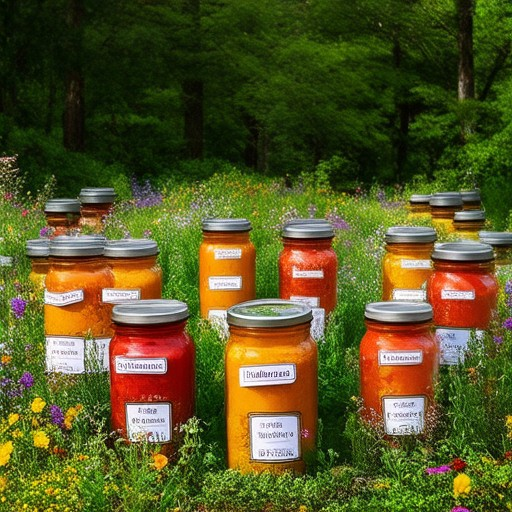
- Choose containers: Use glass jars, plastic containers with lids, or seed envelopes. Label each with the seed name and date.
- Avoid humidity: Store in a cool, dark place away from direct sunlight and humidity.
- Consider a seed vault: For optimal conditions, use a seed vault or food-grade bucket with an oxygen absorber.
3. Label and Organize
- Label clearly: Mark each container with the seed variety and the storage date to maintain organization.
- Keep separate: Don’t mix different seeds together to avoid confusion and cross-contamination.
4. Prepare for Planting
- Check for viability: Before planting, test a few seeds to ensure germination. Sprinkle on damp paper and wait for sprouts.
- Stratify if needed: Some seeds require cold stratification (like chilling at 35-50°F for 4-6 weeks) before planting outdoors.
5. Use Desiccant Packs
- If your seeds came with desiccant packs, follow the instructions provided for proper storage and longevity.
By following these steps, you can successfully preserve your heirloom seeds, ensuring they’re ready for planting next year.
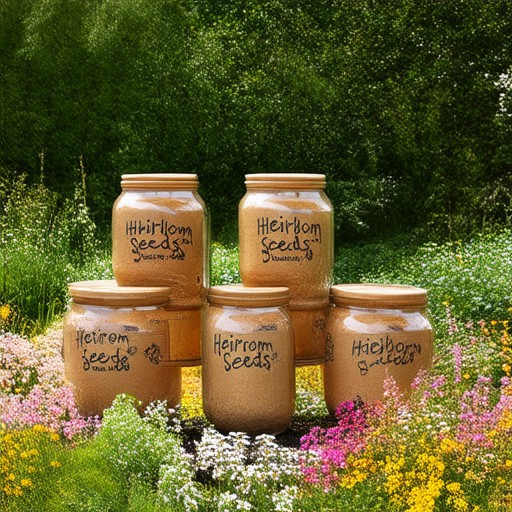
How Long Do Heirloom Seeds Stay Viable?
Heirloom seeds, known for their genetic diversity and historical significance, can remain viable for extended periods when stored correctly. Their longevity depends on several factors:
- Humidity Levels: Moisture is a primary enemy of seed viability. Store seeds in a dry environment, ideally below 50% humidity, to prevent mold growth and degradation.
- Temperature Control: Heirloom seeds thrive in cooler temperatures. Storing them between 32°F to 41°F (0°C to 5°C) can significantly extend their shelf life.
- Container Type: Use an airtight container, such as a glass jar or sealed plastic bag, to protect seeds from pests and environmental factors.
- Seed Age: Older seeds may lose viability over time due to genetic drift, though proper storage can mitigate this.
Under ideal conditions, heirloom seeds can remain viable for:
- Short-Term Storage (1-3 years): Store at room temperature in a cool, dark place. This method works well for seeds intended for planting within a few years.
- Longer-Term Storage (4-10+ years): Place seeds in the refrigerator for extended viability, potentially reaching up to 20-30 years under optimal conditions.
For best results, label your seed containers with the seed variety and storage date. This helps in tracking and ensures proper management of your seed collection.
By following these guidelines, you can enjoy the benefits of heirloom seeds for many years to come.
Visit our website for more tips on heirloom seed preservation and sustainable gardening practices.
Is It Illegal to Save Heirloom Seeds?
Saving heirloom seeds can be legal or illegal depending on the specific circumstances and the nature of the seeds involved. Here’s a breakdown:
- Patented or Proprietary Seeds :
Seeds that are patented or otherwise owned by corporations may fall under intellectual property laws. Saving and distributing such seeds without authorization can be illegal. This applies particularly to hybrid or genetically modified seeds that have been developed with significant investment. - Open-Pollinated Seeds :
Open-pollinated heirloom seeds, which are not subject to patents, are generally legal to save and share. These seeds rely on natural pollination and do not involve controlled breeding or intellectual property rights. - Non-GMO Heirlooms :
Non-genetically modified heirloom seeds may still be subject to restrictions if they are part of a protected variety or have been developed through controlled propagation methods. It’s essential to verify the origin and ownership of these seeds before saving. - Regional Regulations :
Local laws and regulations may also impact seed-saving practices. Some jurisdictions have specific rules regarding seed propagation and distribution, so checking local guidelines is advisable.
To comply with legal requirements, consider purchasing heirloom seeds from reputable sources that offer proper licensing when necessary. This helps ensure that you are not infringing on intellectual property rights while supporting legitimate trade practices. 1
Will 20-Year-Old Seeds Grow?
Seeds, much like many organic materials, have a finite lifespan and their viability can diminish over time. However, with proper care and testing, it is possible for seeds that are 20 years old to still grow into healthy plants under certain conditions.
- Testing Viability: One of the best ways to determine if 20-year-old seeds are still viable is to perform a simple germination test. Place the seeds between two layers of paper towels and pour a small amount of water over them. Let them sit for 24 hours, then check if they have absorbed water and sprouted roots. If they do, they may still be viable enough to grow into plants.
- Storage Conditions: Seeds stored in a cool, dark, and dry place tend to last longer. Airtight containers or seed banks designed for long-term storage can help maintain their quality and prevent premature aging.
- Seed Type Matters: Some types of seeds, such as heirloom or open-pollinated seeds, are known for their hardiness and may survive longer periods than others. These seeds often have a better chance of growing even after two decades.
- Planting Recommendations: If your 20-year-old seeds pass the germination test, you can plant them directly outdoors or in pots. While their germination rate may be lower than newer seeds, many will still grow into strong, healthy plants.
For the best results, consider starting seeds indoors a few weeks before the last frost date in your area. This gives them a head start and increases the chances of successful growth.
Conclusion
While 20-year-old seeds may not always grow, with the right approach and care, they can still thrive and reward you with beautiful plants. Always conduct a germination test first and store seeds properly to maximize their potential.
How to Test Whether Old Seeds Will Still Germinate
If you are unsure whether an older packet of heirloom seeds is still worth planting, run a small germination test before you commit a full garden bed. Seed age matters, but storage conditions matter just as much. Seeds kept cool, dry, dark, and airtight usually hold viability longer than seeds stored in a humid shed or a sunny windowsill.
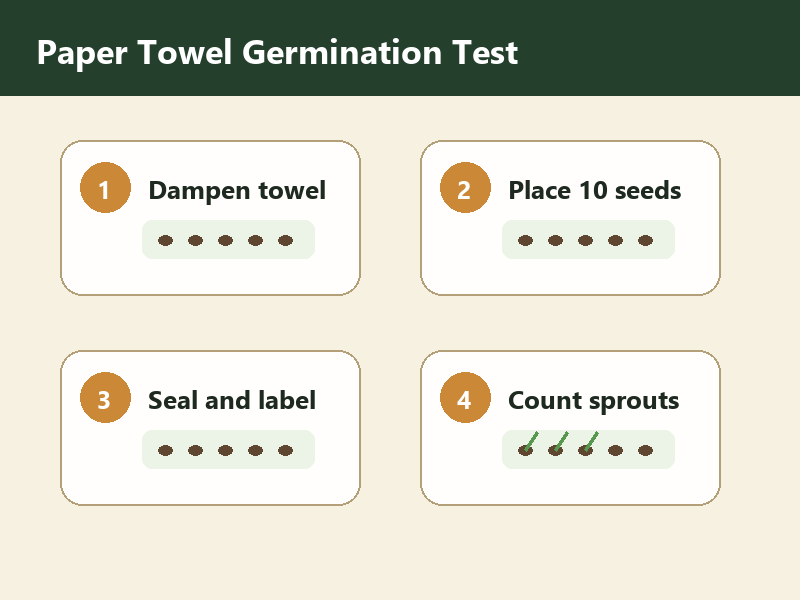
Simple Paper Towel Viability Test
- Count out 10 seeds from the packet. Use 25 to 50 seeds if you want a more precise result and have enough seed to spare.
- Dampen a paper towel so it is moist but not dripping, then space the seeds across one half of the towel.
- Fold the towel over the seeds, place it in a labeled bag or container, and keep it warm but out of direct sunlight.
- Check the towel daily and keep it lightly moist. After the normal germination window for that crop, count how many seeds sprouted.
A quick 10-seed test makes the math simple: seven sprouts means roughly 70 percent germination, four sprouts means roughly 40 percent, and zero or one sprout means the packet is not reliable enough for careful planting. Oregon State University Extension recommends larger samples for more formal seed testing and emphasizes that older seeds are generally less viable than fresh seed.
Seed Viability Ranges Are Estimates, Not Promises
| Seed Type | Typical Home-Storage Expectation | Best Next Step |
|---|---|---|
| Onion, parsnip, leek, sweet corn | Often shorter lived, around 1-2 years | Test before planting and consider fresh seed. |
| Carrot, lettuce, spinach, beans, peas | Often moderate, around 3 years | Test and sow more heavily if germination is low. |
| Beet, chard, squash, pumpkin, radish | Often longer lived, around 4-5 years | Test older packets before relying on them. |
| Tomato, cucumber, melon, brassicas | Can last longer when stored well | Still test old packets because heat and humidity shorten viability. |
These ranges are planning estimates, not promises. A fresh-looking seed can fail if the embryo inside has lost vigor, while a well-stored older seed can surprise you. The practical approach is to test first, then adjust planting density based on the result.
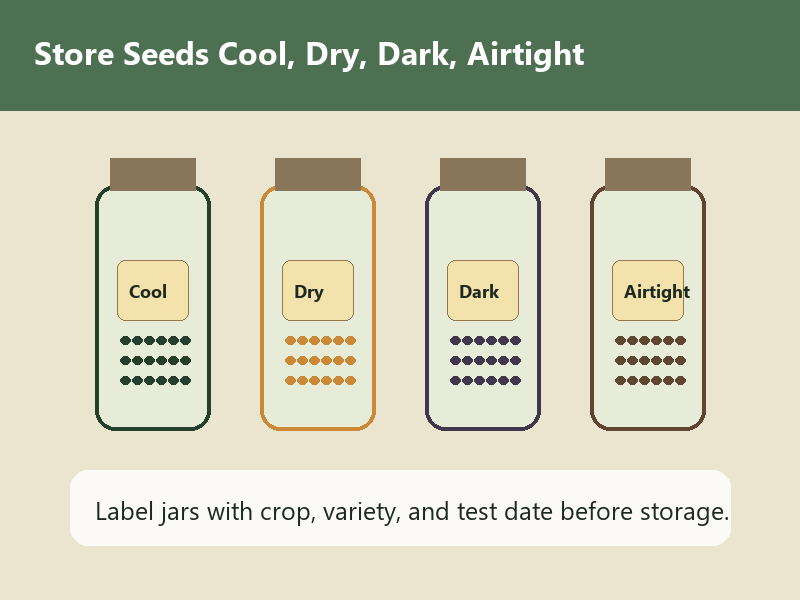
Storage Rules That Protect Heirloom Seed Viability
For home gardeners, the best seed storage system is simple: keep seeds cool, dry, dark, and airtight. Use labeled packets inside sealed jars or tins, add a silica gel packet when appropriate, and write the crop, variety, harvest year, and test date on every container. For packet organization ideas, see Old Seed’s guide to crafting custom DIY seed packets. For a wider view of preservation work, see our guide to heirloom seeds and seed banks.
For source-backed seed storage and germination guidance, review Oregon State University Extension’s resources on collecting and storing seeds from your garden and reproductive plant parts and germination conditions.