Before the first mower pass or pruning session of the season, add one more job to the usual shed cleanup: check whether any outdoor tool, battery, or charger is covered by a current safety recall. A short, repeatable check helps home gardeners, seed savers, and community-garden volunteers avoid relying on a product name or memory alone.
This is not a substitute for an official notice. OldSeed and Recall Tracker are not government services, and neither can promise complete recall coverage or prevent an injury. The exact current U.S. Consumer Product Safety Commission (CPSC) notice controls.
Start with the identifiers, not the tool color
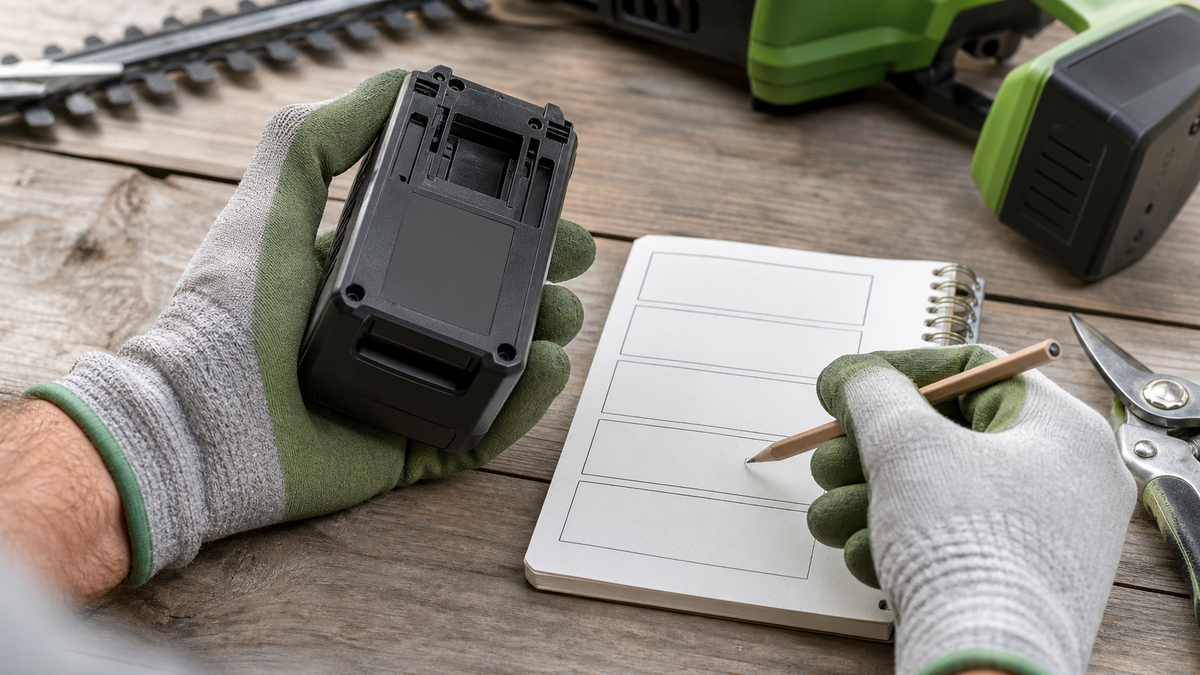
A recall may cover one production run, one battery design, or one group of serial numbers rather than every product sold under a brand. Before searching, photograph or write down the identifiers on each item:
- brand and complete product description;
- model and serial number;
- date code or manufacturing range, when present;
- battery and charger model numbers;
- kit number for tools sold as a set; and
- the location and appearance of the identification label.
Remove detachable batteries before recording their details, and keep the tool powered off. If dirt obscures a data plate, wipe only the outside gently enough to read it. Do not disassemble a tool to hunt for a number.
Search the official notice and match every detail
Use the CPSC recall search for the brand, model, and product type. Open any plausible result and compare your item with the notice line by line. A similar-looking tool is not enough. Match the product description, model number, serial or date-code range, component identifier, and notice images.
The CPSC says the recall data displayed on its site is populated from official recall pages and updates weekly; remedy information may change daily. That is why a saved screenshot or an old retailer email should not be the last word. Reopen the current notice before acting.
A current yard-equipment example shows why component-level checking matters. A July 9, 2026 Greenworks Tools notice covers specified Kobalt 24V and 48V trimmers, blowers, mowers, chainsaws, and pruning saws with particular USB-C batteries. The notice says only products with the specified USB-C batteries are included and lists the relevant tool, kit, and battery identifiers. The lesson is not that every similar Kobalt tool is recalled; it is that the exact battery can determine whether a tool is in scope.
If you want a walkthrough of the search fields and matching process, use this step-by-step CPSC recall lookup guide, then confirm the result on the current official notice.
A compact pre-season checklist
- Gather mowers, trimmers, blowers, chainsaws, pruning saws, chargers, and removable batteries.
- Keep each tool off and disconnect its power source before handling labels.
- Record the tool, kit, battery, and charger identifiers separately.
- Search CPSC by brand, model, and product type.
- Compare the exact notice with the item, including images and number ranges.
- Read the current hazard and remedy sections completely.
- Record the date of the check in a household or community-garden maintenance log.
This equipment check fits naturally alongside seasonal garden planning. While reviewing organic disease-control practices or preparing a pollinator-friendly garden, add the tool-inventory date to the same working notebook.
Know what each safety database can tell you
| Resource | What it contains | How to use it |
|---|---|---|
| CPSC Recalls | Official recall and product-safety-warning notices with identifying criteria and remedies. | Use it to decide whether an exact product is covered and what the current notice directs. |
| SaferProducts.gov | Public product-safety reports and a channel for reporting a potentially unsafe product. | Use it for additional research or reporting. A public report is not itself a recall notice. |
If an exact match is recalled
Follow the action stated in the current notice. If it directs consumers to stop using the item, stop and keep it from being used by another household member or volunteer. Follow the notice for unplugging, battery removal, storage, return, repair, replacement, refund, or disposal. Never improvise a repair unless the notice expressly authorizes that specific at-home step.
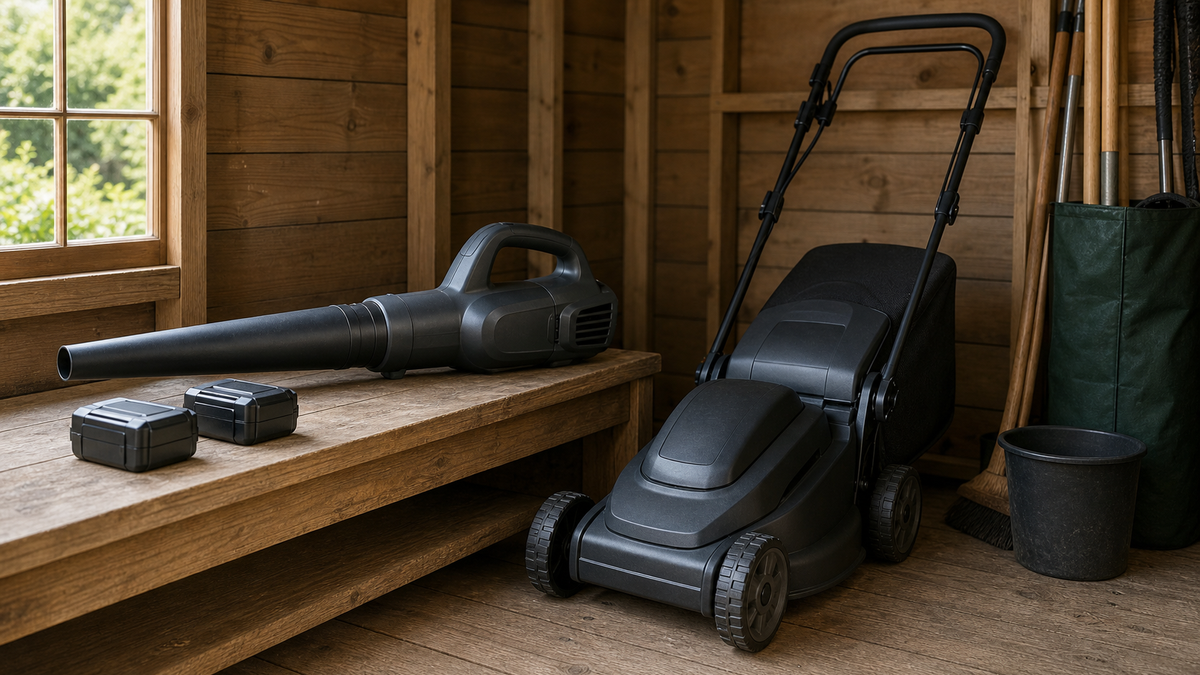
Lithium-ion batteries require particular care. Do not place a recalled or defective battery in household trash, curbside recycling, or a retail battery box based on a generic rule. Follow the exact recall notice and current local hazardous-waste guidance. If remedy details or company contacts have changed, the current CPSC page is the reference to recheck.
Check used, donated, and shared tools before handoff
A used tool deserves the same identifier check before money changes hands or it enters a shared shed. Ask the seller or donor for clear photos of the model plate, serial label, battery label, and charger label. Compare those details with the current official search yourself rather than relying on “no recalls” in a listing. If a label is missing, altered, or unreadable, do not guess that the product is outside a notice.
Community gardens can reduce mix-ups by assigning each tool a simple inventory number that is separate from the manufacturer’s identifiers. Keep the inventory number, official model and serial details, battery pairing, last search date, and any notice URL together. Do not cover a manufacturer data plate with a garden label or paint.
If the exact notice says not to sell, donate, or give away an affected product, follow that direction. Otherwise, complete the stated remedy before a handoff. A recall remedy that was available years ago may have changed, so a seller’s old paperwork is not enough to establish the current option.
Make the check repeatable
A simple record keeps the process manageable. For each tool, note the identifiers, the date searched, the official notice reviewed, and the result. Repeat the check when equipment comes out of long-term storage, when buying a used tool, after receiving a manufacturer notice, or when a battery or charger is replaced.
For a shared shed, assign one person to maintain the log and label equipment that is temporarily out of service without covering its model plate. The goal is not to diagnose a defect. It is to match the right product to the right notice and follow the remedy that applies today.
Frequently asked questions
Is searching by brand name enough?
No. A recall can be limited to particular models, serial ranges, date codes, batteries, or kits. Match every identifier and the notice images.
What should I do after finding an exact match?
Read the current notice fully and follow its stop-use, storage, contact, repair, replacement, refund, return, or disposal directions.
Can I repair a recalled garden tool myself?
Only when the exact notice expressly authorizes that at-home repair and provides the applicable instructions. Otherwise, use the remedy in the notice.
How should I dispose of a recalled lithium-ion battery?
Do not rely on generic trash or recycling advice. Follow the exact recall notice and current local hazardous-waste guidance.